"A different way of understanding persistent pain"
When pain has become part of everyday life
Living with persistent pain can be exhausting and frustrating. You may have tried different treatments, investigations or approaches, yet find that pain continues to affect your everyday life, your confidence, your sleep, or the things you enjoy. Sometimes pain can persist even when there is no ongoing injury or structural problem that fully explains it.
Pain is real. Pain Reprocessing Therapy (PRT) offers a way of exploring how the brain and nervous system can learn to generate or amplify pain, and how, with support, those learned patterns may change.
What is Pain Reprocessing Therapy (PRT)?
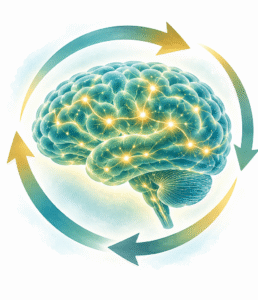
Pain Reprocessing Therapy is a psychological approach to chronic pain that aims to help the brain interpret pain sensations as less threatening. In some persistent pain conditions, the nervous system can become sensitised and continue producing pain as an overprotective alarm, even when there is no structural damage to the body.
This does not mean that the pain is imaginary. It is the result of neural pathways in the brain, generating pain signals as part of a learned protective behaviour. But just as pain is learned, it can also be unlearned. This is called neuroplastic reprocessing, and sits at the core of therapy.
PRT helps develop a new understanding of pain, which allows you to become aware of sensations using curiosity rather than fear. This reduces the cycle of pain, threat, worry and avoidance. It draws on cognitive, somatic and exposure-based approaches.
Pain is a genuine experience, but many factors can influence it. When the brain perceives danger, the nervous system responds, generating discomfort even in the absence of physical damage. Hence neuroplastic pain, real pain generated by the brain.

How can therapy help?
I am a trained and registered practitioner with the Pain Reprocessing Therapy Centre, and incorporate PRT into my integrative therapeutic work. Together, we can explore your experience of pain, the ways it may be affecting you, and what might help your nervous system begin to feel safer.
My approach is collaborative, paced, and tailored to you. Alongside PRT, I may draw on EMDR (Eye Movement Desensitisation and Reprocessing), IFS-informed (Internal Family Systems) work and other therapeutic approaches. This can be particularly helpful when pain sits alongside trauma, difficult life experiences, stress, or emotions that have felt hard to process. PRT is about forming a new relationship with pain, seeing it as a sensation which is tolerable, and reprogramming the way the brain generates pain signals, to provide a new and more comfortable lived experience.
Therapy may include:
- Making sense of pain and learning about the brain–body relationship
- Developing a calmer, less fearful relationship with pain sensations using Somatic Tracking
- Exploring patterns of threat, stress, emotion and protective responses
- Gently experimenting with movement or activities that have become associated with fear
- Working with trauma or emotional experiences at a pace that feels manageable
- Building self-compassion, confidence and a sense of choice, control and safety
What kinds of pain might PRT help with?
Research into PRT is developing. There is promising evidence, particularly for primary chronic back pain, and research is continuing into other chronic and widespread pain presentations. PRT may be worth exploring when pain is thought to involve neuroplastic or nociplastic processes, following appropriate medical assessment.
- Chronic musculoskeletal pain where ongoing structural damage is not the main driver
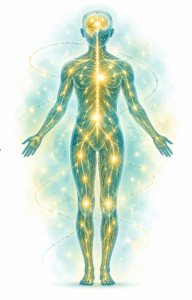
- Widespread or neuroplastic pain (an area of emerging research), found in conditions such as Fibromyalgia, IBS, ME and Chronic Fatigue Syndrome
- Primary or persistent chronic back pain
- Chronic migraines, particular where amplified by stress
- Other persistent pain presentations where sensitisation and learned threat responses may play a role (individual assessment is important)
PRT is not suitable for every type of pain, and it does not replace medical assessment or treatment. It can be helpful for you to explore PRT with your current medical provider, as they might be able to provide guidance about how PRT fits with any existing treatments you are receiving. We can then consider together whether this approach may be appropriate for your circumstances.
Pain and trauma
For some people, persistent pain and trauma are closely connected. The nervous system may remain on high alert following frightening, overwhelming or prolonged experiences. It does not mean that the pain is your fault, but rather it is a sign that the body is continuing to try and protect you against perceived danger and threat, often long after the real threat has passed. With a compassionate and supportive therapeutic relationship, we can explore these connections without rushing or overwhelming you.
I integrate Pain Reprocessing Therapy with EMDR and IFS-informed approaches where helpful, recognising that each person’s experience is unique.
Taking the next step
If you would like to find out more about Pain Reprocessing Therapy and whether it might be helpful for you, I offer an initial 20-minute consultation at no charge. This gives us an opportunity to talk briefly about what you are experiencing, and whether working together feels right for you. You can also visit the Pain Reprocessing Therapy website which contains more information and resources.
For confidential enquiries
contact Martin either by text
or phone on: 07467 039282